UV Index Explained : What It Is and How to Protect Yourself
“The UV Index is an important tool to help people protect themselves from overexposure to ultraviolet radiation."
Many people check the weather forecast every morning without paying much attention to the UV Index. Temperature usually gets all the focus: is it warm enough for a T-shirt, cold enough for a coat, or rainy enough for an umbrella? Yet one of the most important indicators for your health is often sitting quietly beside the forecast: the UV Index.
The UV Index measures the intensity of the sun’s ultraviolet radiation at a specific time and place. These ultraviolet rays are invisible to the human eye, which is why they are easy to underestimate. Unlike heat, UV radiation cannot always be felt immediately on the skin. A cool breeze or cloudy sky may create the impression that the sun is harmless, while UV levels remain high enough to damage the skin in a short period of time.
According to the World Health Organization (WHO) and the World Meteorological Organization (WMO), the UV Index was created as a simple public health tool to help people understand when sun protection becomes necessary. The scale generally ranges from 0 upward, with higher numbers indicating stronger ultraviolet radiation and a greater risk of skin and eye damage.
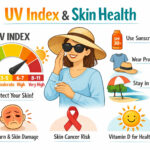
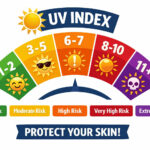
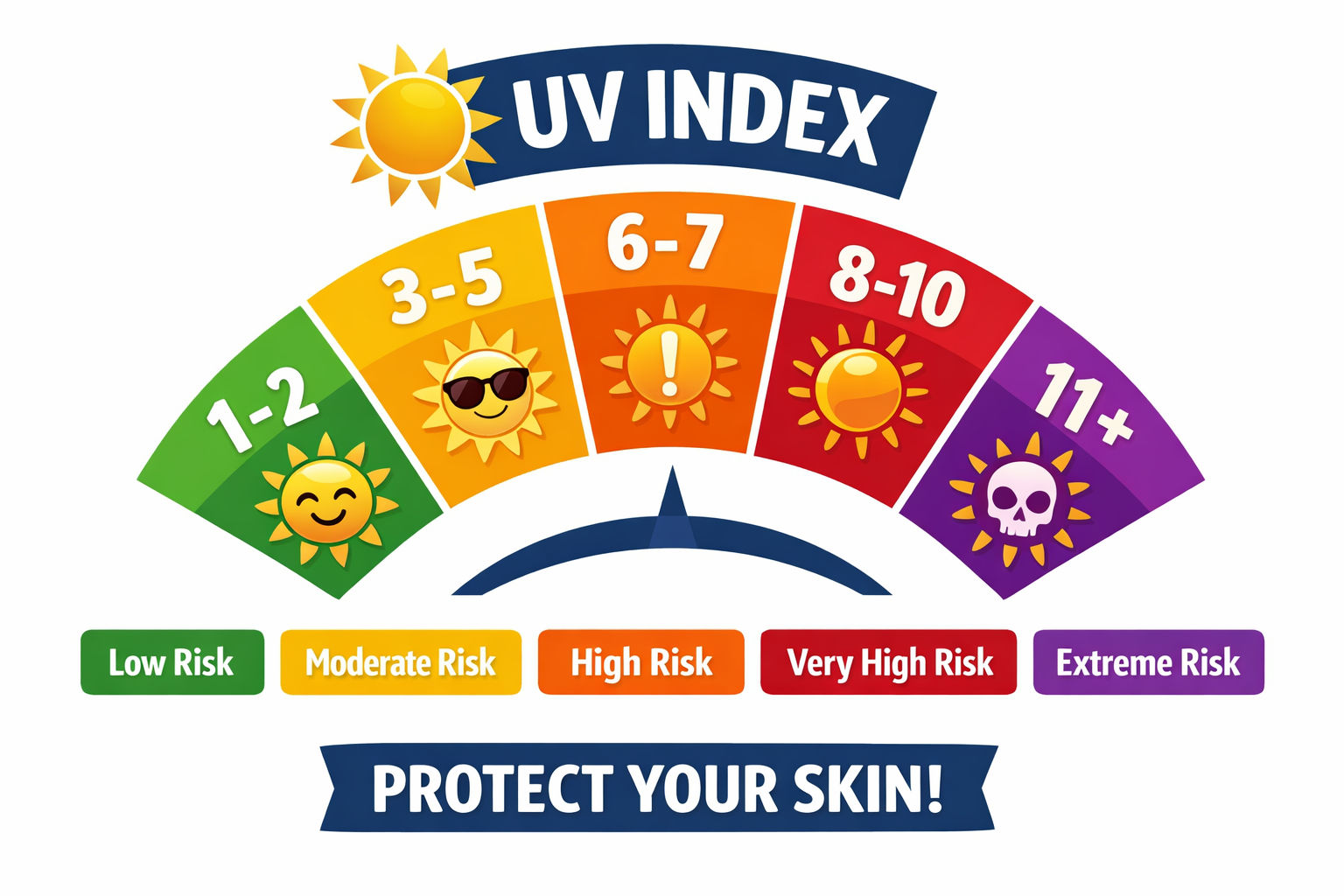
When the UV Index is between 0 and 2, the danger is considered low for most people. Outdoor activities can usually be enjoyed safely with minimal protection. From 3 to 5, the risk becomes moderate, and experts recommend basic precautions such as wearing sunglasses, using sunscreen, and limiting prolonged exposure during midday hours.
A UV Index of 6 or 7 signals a high level of exposure. At this stage, unprotected skin can burn much faster than many people expect. Health authorities advise using broad-spectrum sunscreen with SPF 30 or higher, wearing protective clothing and hats, and seeking shade whenever possible. Once the Index climbs to 8, 9, or 10, the danger becomes very high. In some conditions, especially during summer or at high altitudes, skin damage may occur in as little as 15 to 20 minutes. An Index of 11 or above is considered extreme and requires extra caution.
One of the most common misconceptions is believing that UV exposure only matters on hot summer days. In reality, ultraviolet radiation and temperature are not directly linked. A fresh spring afternoon or an overcast day can still produce high UV levels. The U.S. Environmental Protection Agency (EPA) notes that clouds may reduce UV radiation to some extent, but they rarely block it completely. In some situations, thin clouds can even scatter and intensify UV exposure.
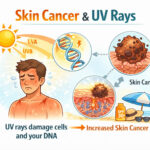
This matters because excessive UV exposure accumulates over time. Dermatologists and public health institutions consistently warn that repeated exposure increases the risk of premature skin aging, sunburn, eye damage, and skin cancers, including melanoma. The Centers for Disease Control and Prevention (CDC) also emphasizes that UV radiation can harm all skin types, regardless of complexion. While people with fair skin may burn more quickly, no skin tone is entirely immune to long-term sun damage.
Children deserve particular attention because their skin is more sensitive and because early-life sunburns can significantly increase future skin cancer risk. Outdoor sports, playground activities, beach vacations, and even routine walks to school often happen during peak UV hours without people realizing how intense the radiation may be.
Typically, the sun’s ultraviolet rays are strongest between 10 a.m. and 4 p.m. During these hours, simple protective habits can make a meaningful difference. Seeking shade, wearing UV-protective sunglasses, applying sunscreen correctly, and choosing lightweight long-sleeved clothing are all practical ways to reduce exposure without avoiding outdoor life altogether.
Sunscreen remains one of the easiest and most effective protective measures when used properly. Health experts recommend applying SPF 30 or higher approximately 15 to 20 minutes before going outdoors and reapplying every two hours, especially after swimming, sweating, or towel drying. However, sunscreen works best when combined with other forms of protection rather than being treated as complete immunity against the sun.
Paying attention to the UV Index only takes a few seconds, yet it can become an important long-term health habit. The sun plays an essential role in life on Earth. It supports vitamin D production, regulates natural rhythms, and contributes to overall well-being. But balance matters. Just as we learn to dress for rain or cold weather, understanding UV levels helps us make smarter everyday decisions for our skin and eyes.
The next time you open your weather app, it may be worth looking beyond the temperature. The UV Index is more than just another number in the forecast. It is a simple warning system designed to help protect your health — quietly reminding us that even invisible risks deserve attention.